Since the 12th century
History of our Church
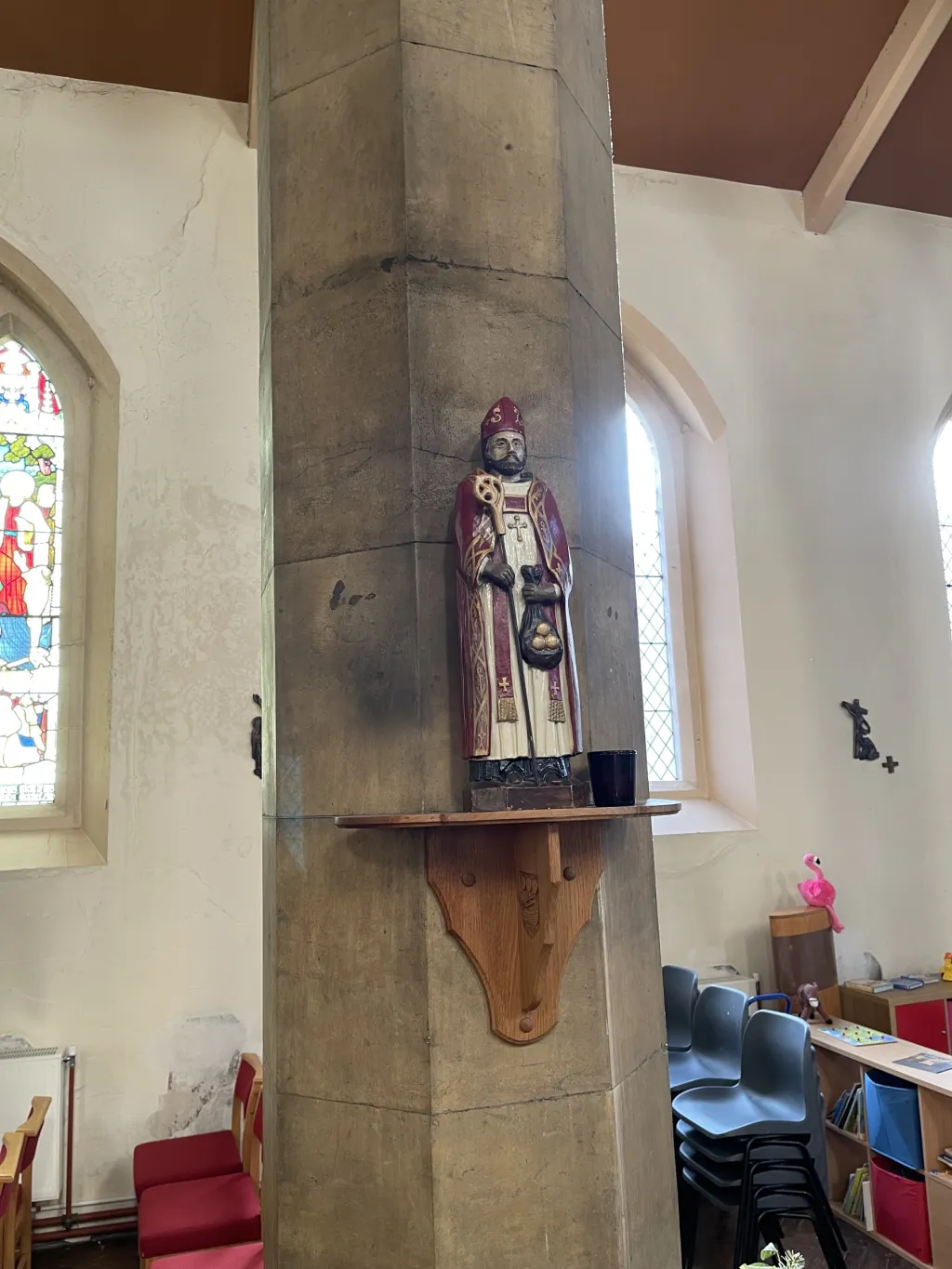
St Nicholas has been part of life in Newport for centuries.
The first church of St Nicholas was built here in the 12th century, on the corner of Newport and Church Lane. It stood just beyond the city walls, offering travellers a place to pray for protection before setting out on their journey. During the Civil War, the church was destroyed to prevent Royalist forces from using it as a stronghold.
How the church we know today came to be
St John the Baptist
Nearby, another medieval church, St John the Baptist, had fallen into disrepair and was demolished in 1545. With nowhere left for local people to worship, an annual sermon was held in the churchyard of St Nicholas, while parish business was conducted in the Turks Head pub across the road.
A campaign for a new church
By the early 19th century, Newport was changing rapidly. In 1822, local architect and antiquary Edward James Willson described the area as being in need of “civilisation”, with “no church” and “no person of the least influence” to challenge the problems he saw there.
His concerns helped spark a campaign, taken up by the Lincolnshire Advertiser, for a new church. The result was the church we know today.
Built in 1840
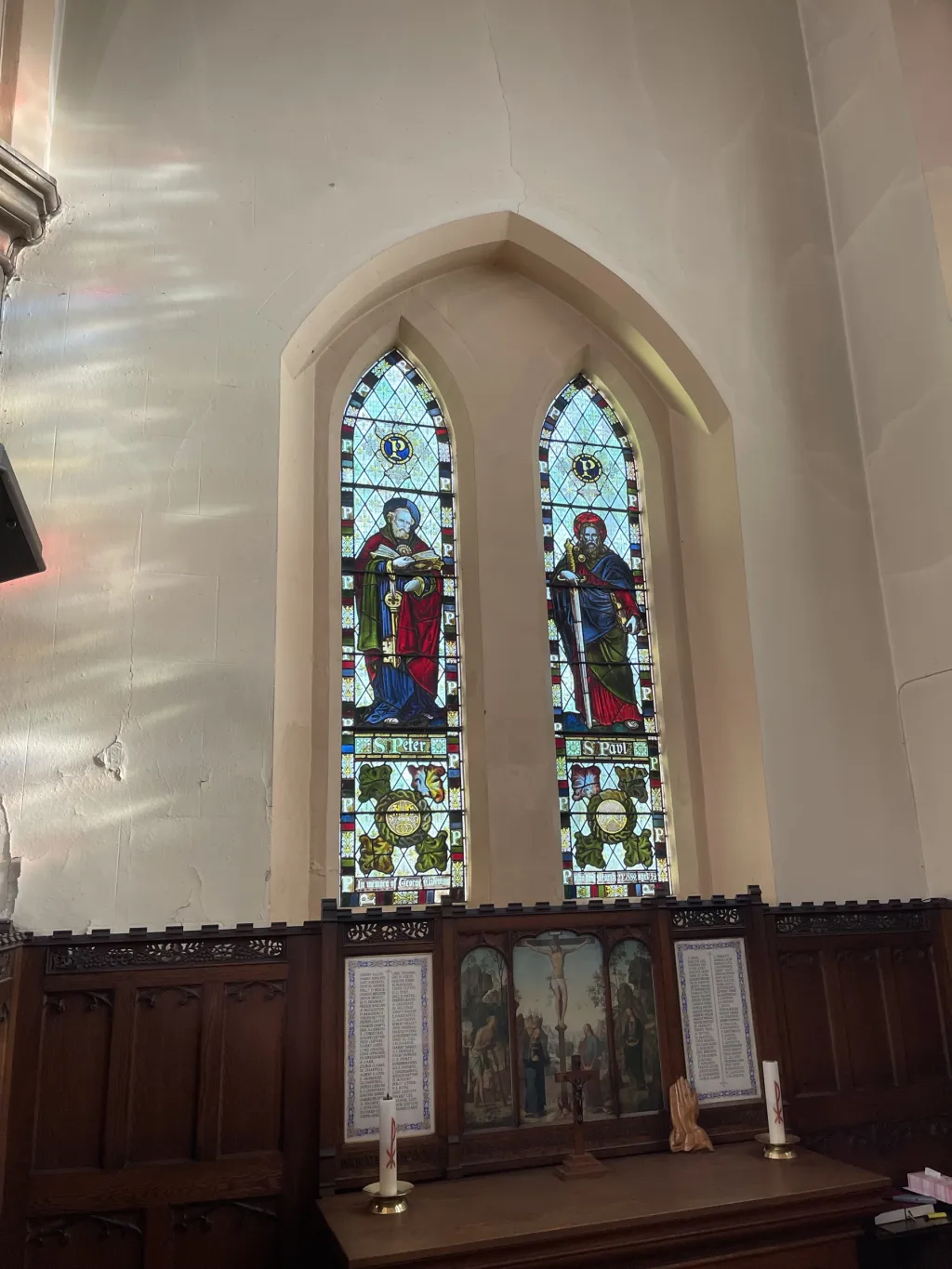
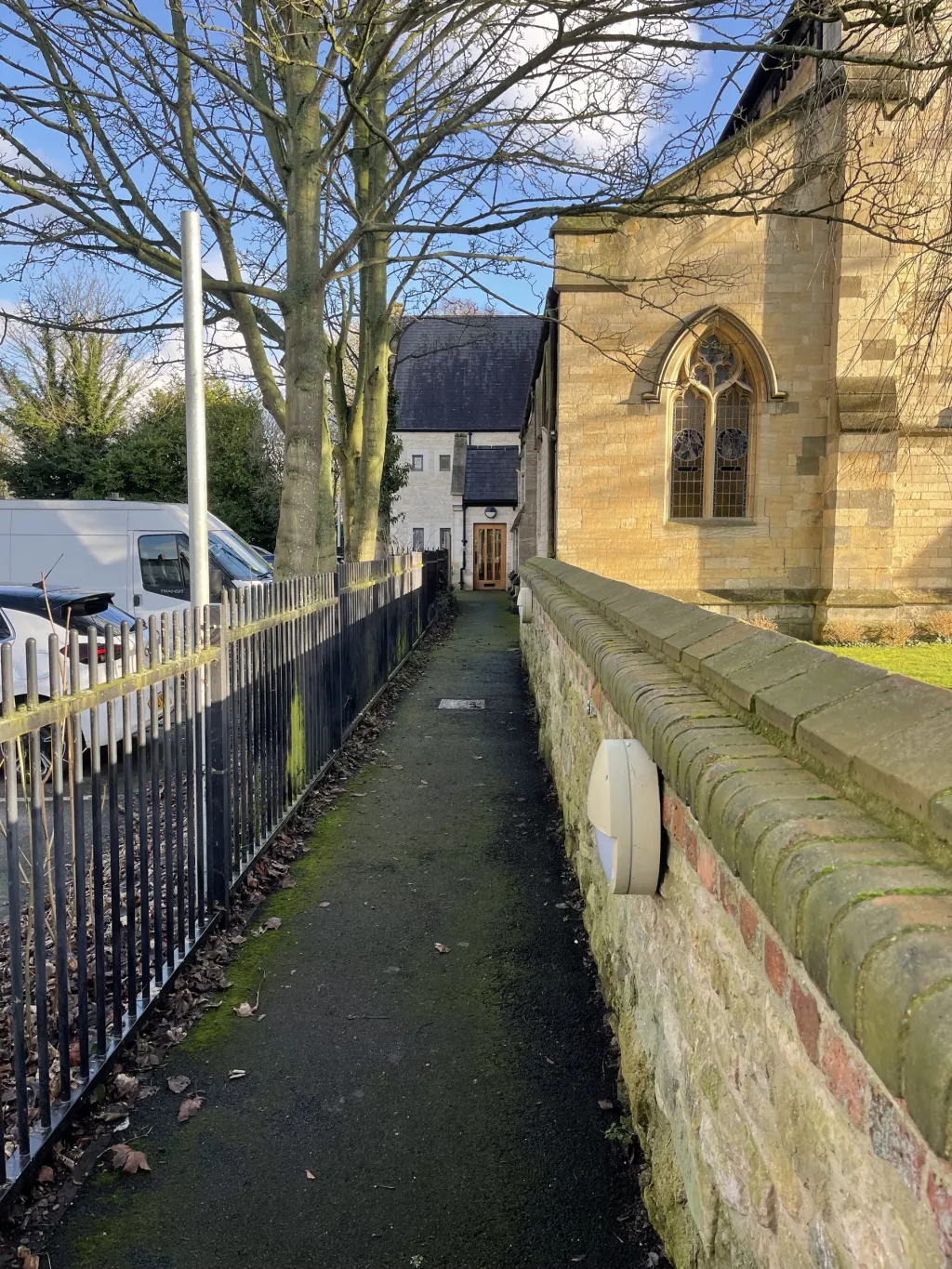
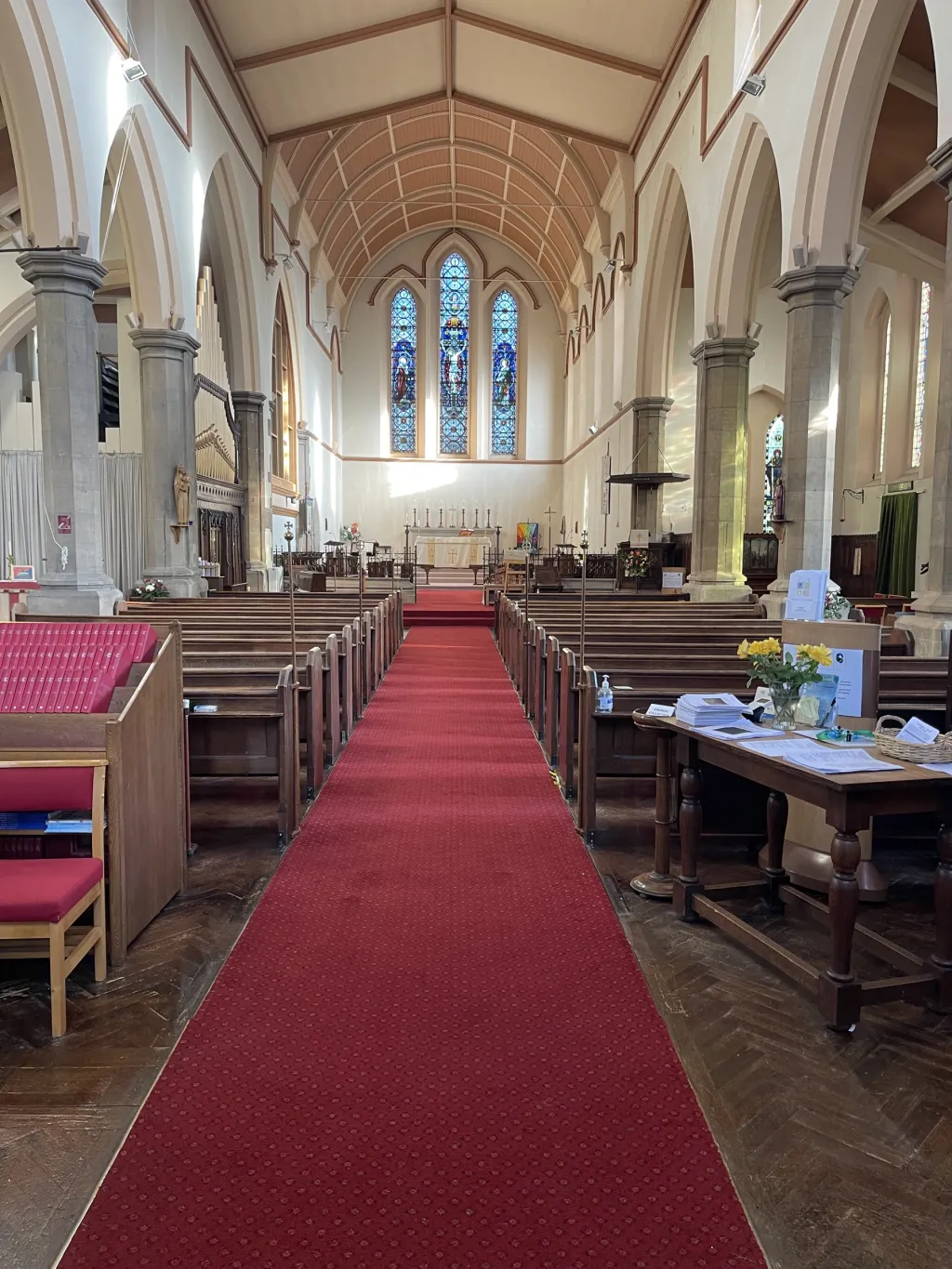
Built in 1840 to designs by Sir George Gilbert Scott, St Nicholas with St John has continued to be a place of worship, welcome and fellowship for the people of Newport and for those passing through the city.
And the story continues.
The church has been extended several times, most recently with the addition of the St Nicholas Centre, bringing new life and new opportunities for the church to serve its community.